
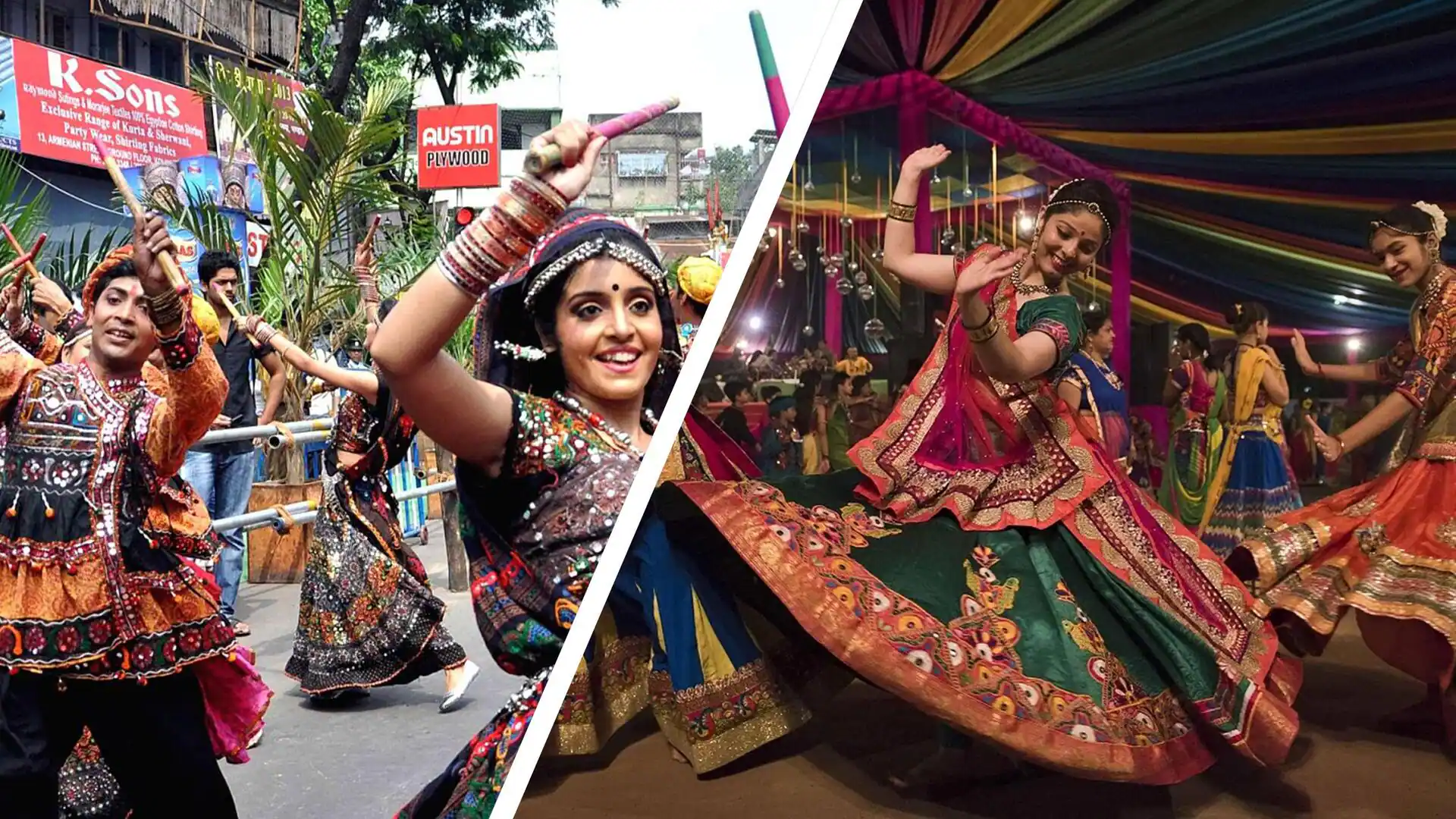
Difference Between Dandiya and Garba
When it comes to celebrating Navratri, two traditional dance forms instantly come to mind — Dandiya and Garba. While many people use these terms interchangeably, they are actually distinct cultural traditions with unique origins, styles, and meanings.
At SA Group, we specialize in organizing unforgettable Garba Nights in Delhi, bringing together vibrant music, festive décor, and authentic cultural experiences. If you’ve ever wondered about the real difference between Dandiya and Garba, this guide will help you understand both traditions before stepping onto the dance floor.
What is Garba?
Garba is a traditional folk dance that originated in Gujarat and is deeply connected to the worship of Goddess Durga during Navratri. The word “Garba” comes from the Sanskrit word garbha, meaning womb, symbolizing life and creation.
Traditionally, Garba is performed in a circular formation around an earthen lamp or idol placed in the center, representing divine energy. The dance involves graceful hand and foot movements, rhythmic claps, spins, and synchronized steps.
Key Features of Garba
- Performed before Dandiya, often during early evening
- Focuses on circular movements and clapping rhythms
- Symbolizes devotion and celebration of feminine energy
- Usually danced without props
Garba is more than just a dance; it is a spiritual celebration filled with joy, devotion, and community spirit.
What is Dandiya?
Dandiya Raas, commonly known as Dandiya, is another popular folk dance from Gujarat. Unlike Garba, Dandiya is performed using colorful decorated sticks called dandiyas.
The dance is inspired by the mock fight between Goddess Durga and Mahishasura, symbolizing the victory of good over evil. Dancers pair up or form groups, rhythmically striking sticks while moving to upbeat music.
Key Features of Dandiya
- Performed later in the evening, after Garba
- Uses decorated wooden sticks
- Involves partner-based movements and faster beats
- More energetic and interactive than Garba
Dandiya is known for its lively tempo, making it a favorite among younger crowds and festive party-goers.
Major Differences Between Dandiya and Garba
| Feature | Garba | Dandiya |
|---|---|---|
| Origin | Devotional dance dedicated to Goddess Durga | Dance representing Durga’s battle with Mahishasura |
| Props | No props used | Wooden sticks (Dandiyas) |
| Dance Style | Circular, graceful, rhythmic claps | Fast-paced, partner-oriented stick dance |
| Timing | Usually performed first | Performed after Garba |
| Music | Traditional devotional songs | High-energy beats and festive tracks |
Traditional Attire for Garba and Dandiya
Festive attire is an essential part of both dance forms.
For Women:
- Chaniya choli with mirror work
- Oxidized jewelry, bangles, and dupattas
For Men:
- Kediyu or kurta with dhoti or pajama
- Embroidered jackets and turbans
The colorful outfits add to the visual beauty and festive vibe of Garba and Dandiya nights.
Experience the Best Garba Nights in Delhi with SA Group
Looking for an authentic and high-energy Navratri celebration? SA Group organizes premium Garba events in Delhi, combining tradition with entertainment.
Whether you are a Garba enthusiast or trying Dandiya for the first time, SA Group creates memorable festive experiences for families, friends, and corporate groups.
Final Thoughts
While both Dandiya and Garba are iconic parts of Navratri celebrations, their essence is quite different. Garba is rooted in devotion and graceful movements, while Dandiya is energetic, playful, and interactive. Together, they create the perfect festive celebration.
This Navratri, join SA Group’s Garba Nights in Delhi and experience the true spirit of Gujarat right in the heart of the capital.